Discover the key differences in flexibility, logistics, project costs and construction efficiency to help you select the right solution for your next civil infrastructure project.
When planning a sewer, stormwater or underground drainage project, choosing the right manhole construction method can have a significant impact on site operations, scheduling and overall project costs.
For civil contractors, two common options are precast concrete manholes and in-situ concrete manholes constructed using hired formwork. Both methods have their place in civil construction, but the right choice depends on your project specifications, site conditions, access requirements and construction program.
So, is it better to install a precast manhole or pour one on site using manhole formwork?
Let's compare the two methods and explore why hiring manhole forms can be a practical, flexible solution for a wide range of civil infrastructure projects.
What is the difference between manhole formwork and precast manholes?
Before comparing the advantages of each method, it helps to understand how they work.
What is a precast concrete manhole?
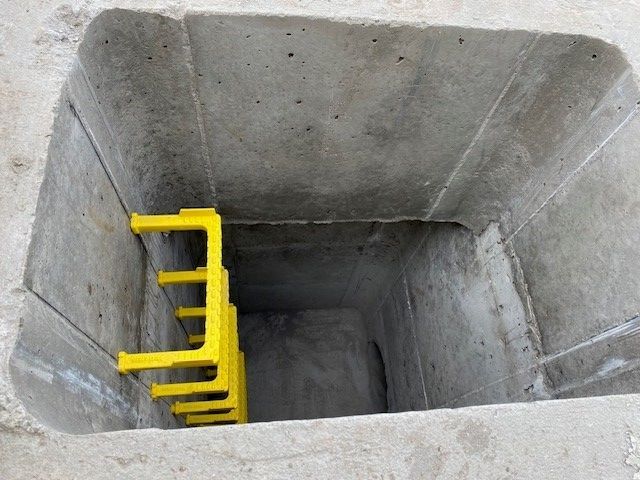
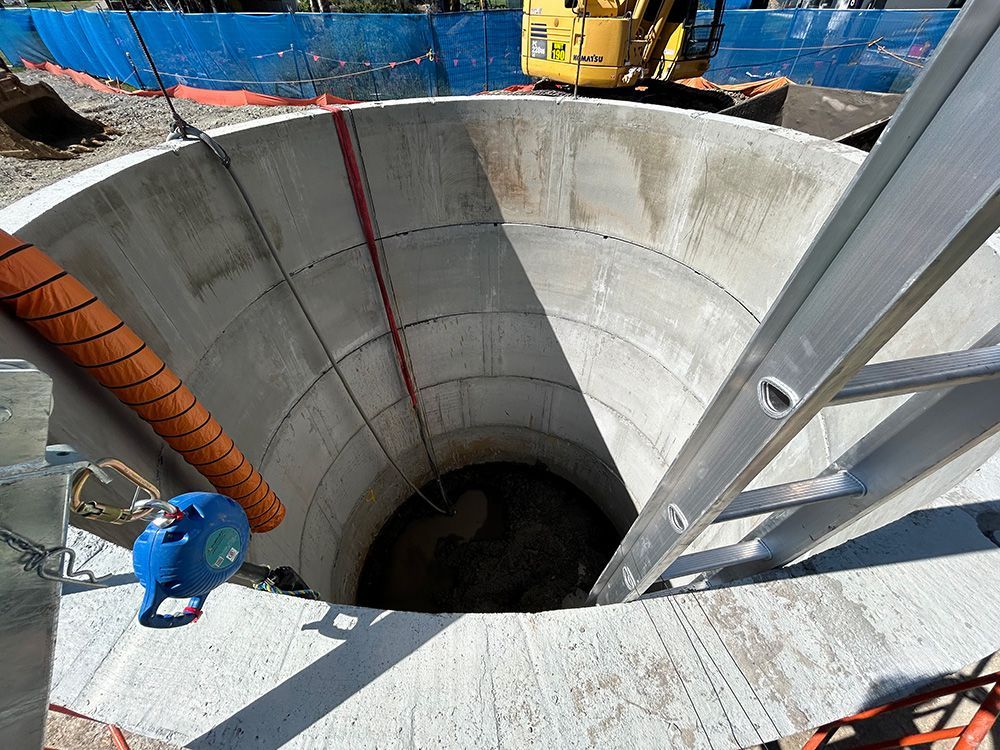
A precast manhole is manufactured off-site in a controlled production environment. The concrete unit is transported to the construction site and installed into the prepared excavation.
Precast manholes can be an efficient option where standard dimensions are suitable, site access allows for delivery and lifting, and the required unit is available when needed.
However, because the structure is manufactured before delivery, changes to dimensions, pipe configurations or project requirements may be more difficult to accommodate once production is underway.
What is an in-situ concrete manhole?
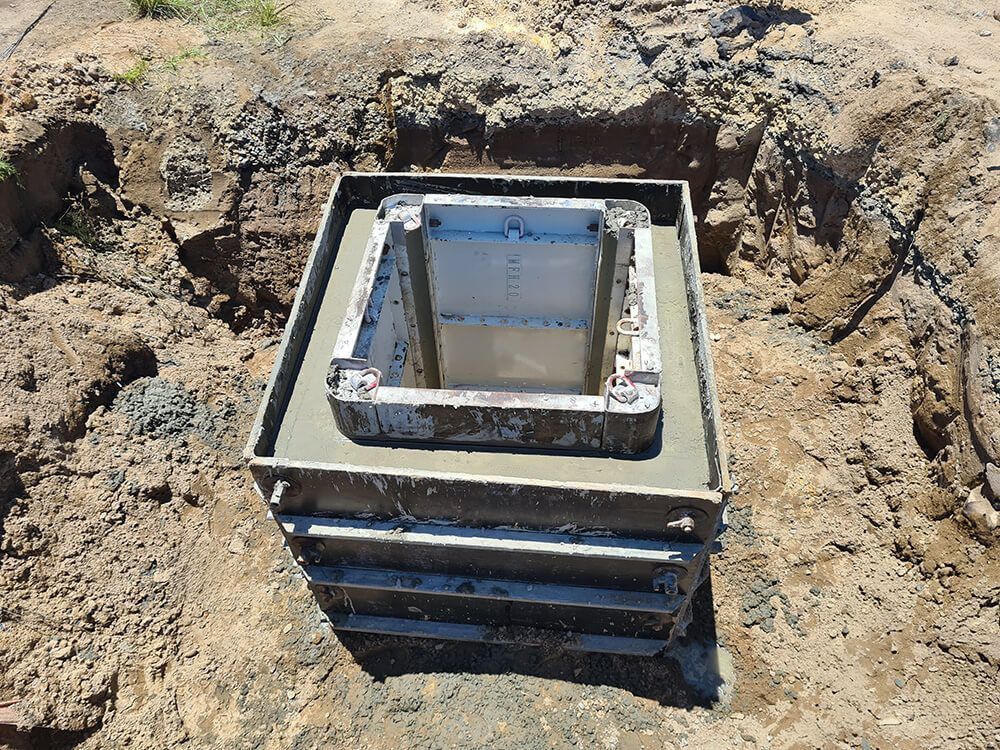
An in-situ concrete manhole is constructed directly on site using formwork to shape the concrete to the required dimensions.
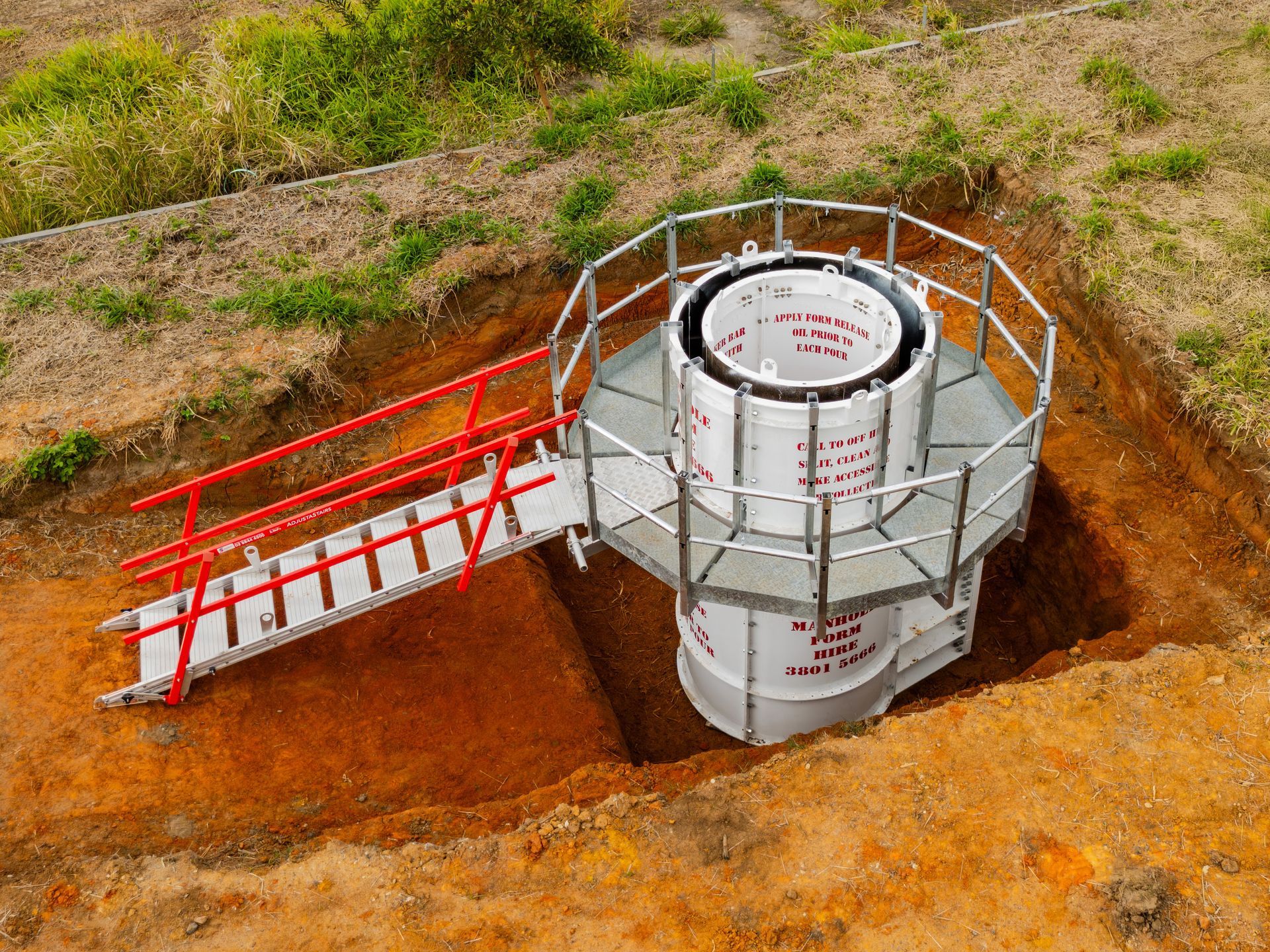
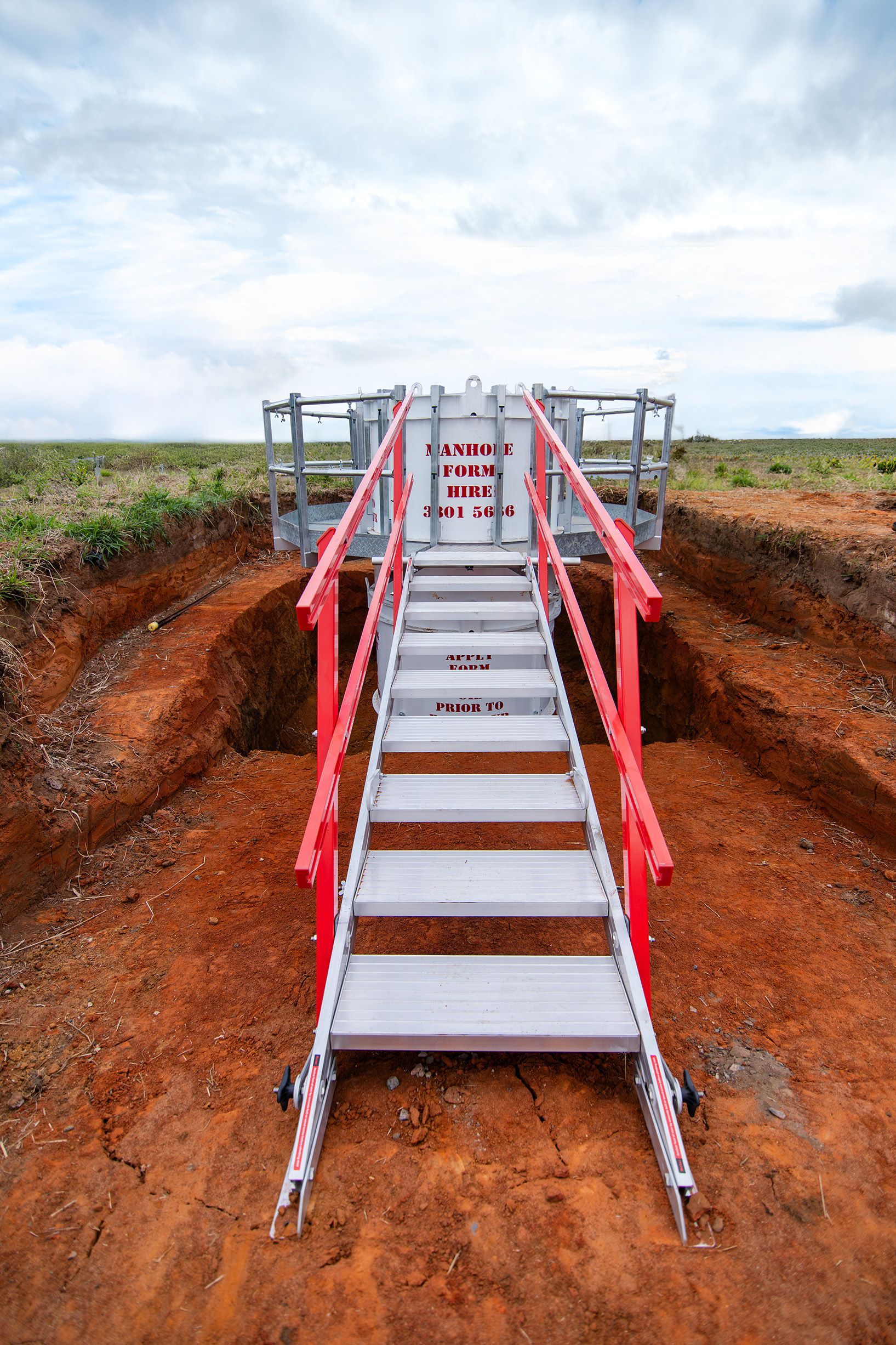
With hired manhole formwork, contractors assemble the appropriate inner and outer drums, position the system, and place concrete to create the required structure.
Depending on the formwork system and project design, components can be combined or adapted to accommodate different diameters, wall heights and non-standard configurations.
This makes in-situ construction particularly useful when project requirements vary between manholes or when a standard precast unit doesn't suit the design.
Manhole formwork vs precast: How do they compare?
The best method depends on the requirements of the individual project. The following comparison highlights the main considerations for civil contractors.
| Project consideration | In-situ manhole formwork | Precast concrete manholes |
|---|---|---|
| Dimensions | Flexible, subject to the formwork configuration | Dependent on available or manufactured units |
| Non-standard shapes | Adaptable using suitable formwork components | May require specially manufactured units |
| Variable depths | Formwork components can be configured to suit the design | Depends on available unit sizes and system |
| Pipe configurations | Can accommodate varied arrangements with appropriate planning | Openings and connections depend on unit design |
| Transport | Formwork is transported to site and concrete is placed there | Finished concrete units must be transported to site |
| Lifting and placement | Requires formwork handling and a planned concrete pour | Requires suitable lifting and placement equipment |
| Construction program | Depends on site preparation, formwork, pouring and curing | Can be quicker to install when units are available and conditions are suitable |
| Design changes | May offer greater flexibility before the pour | Changes to manufactured units may be more difficult |
| Repeat projects | Reusable hired forms can serve multiple jobs | Standard units can suit repeated installations |
Neither method is automatically the best choice for every job. The important question is which approach best satisfies the engineering requirements, construction sequence and practical constraints of your site.
1. Flexibility for different manhole sizes and configurations
One of the key advantages of in-situ manhole construction is its flexibility.
Civil infrastructure projects rarely follow exactly the same specifications from one site to the next. Manholes can vary in internal diameter, wall thickness, depth, pipe arrangement and overall configuration.
With precast concrete, the selected unit needs to match the approved design. If a project requires a non-standard size or configuration, a suitable unit may need to be sourced or manufactured.
Manhole formwork offers an alternative by allowing contractors to configure the form to suit the required dimensions.
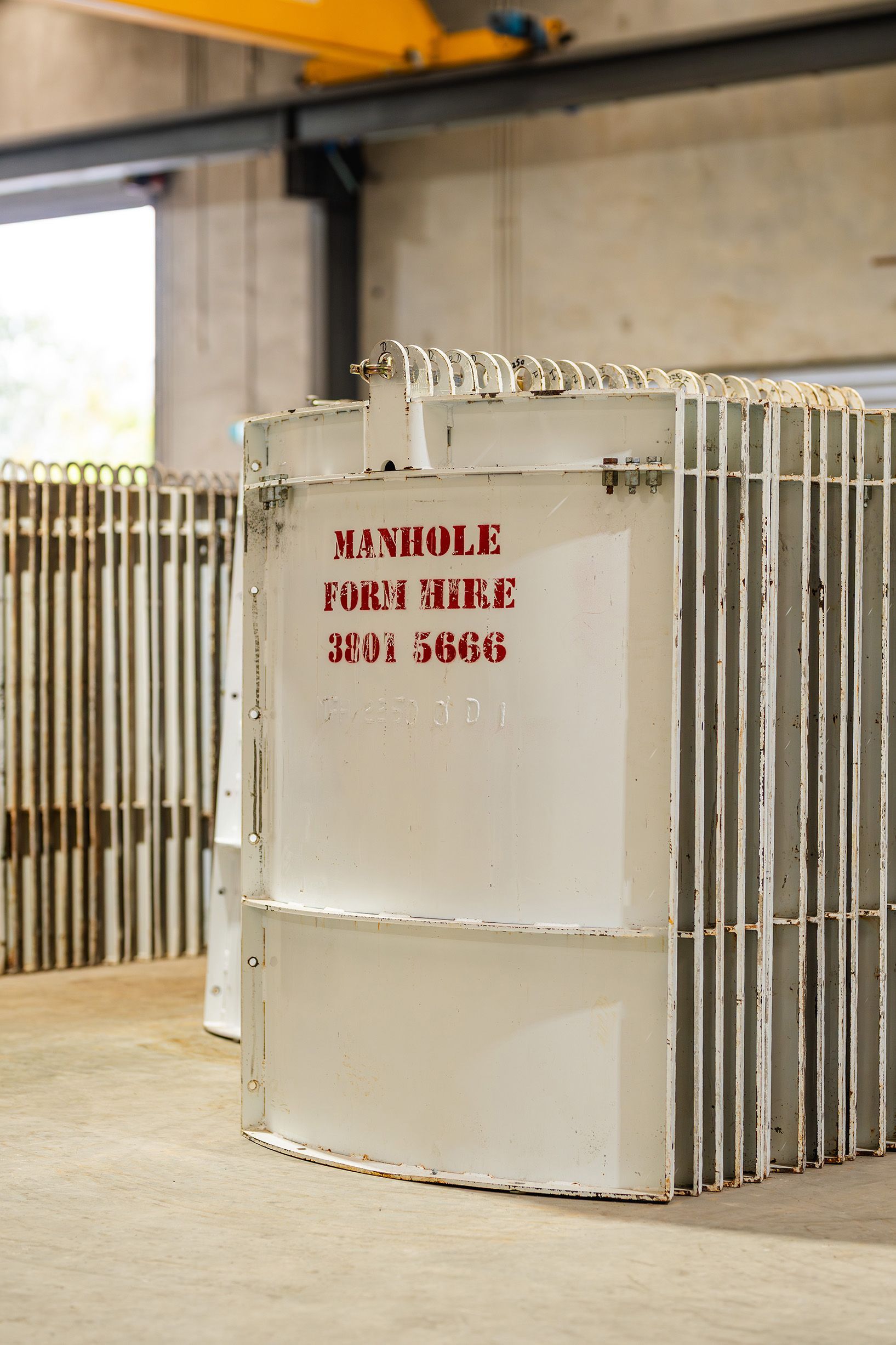
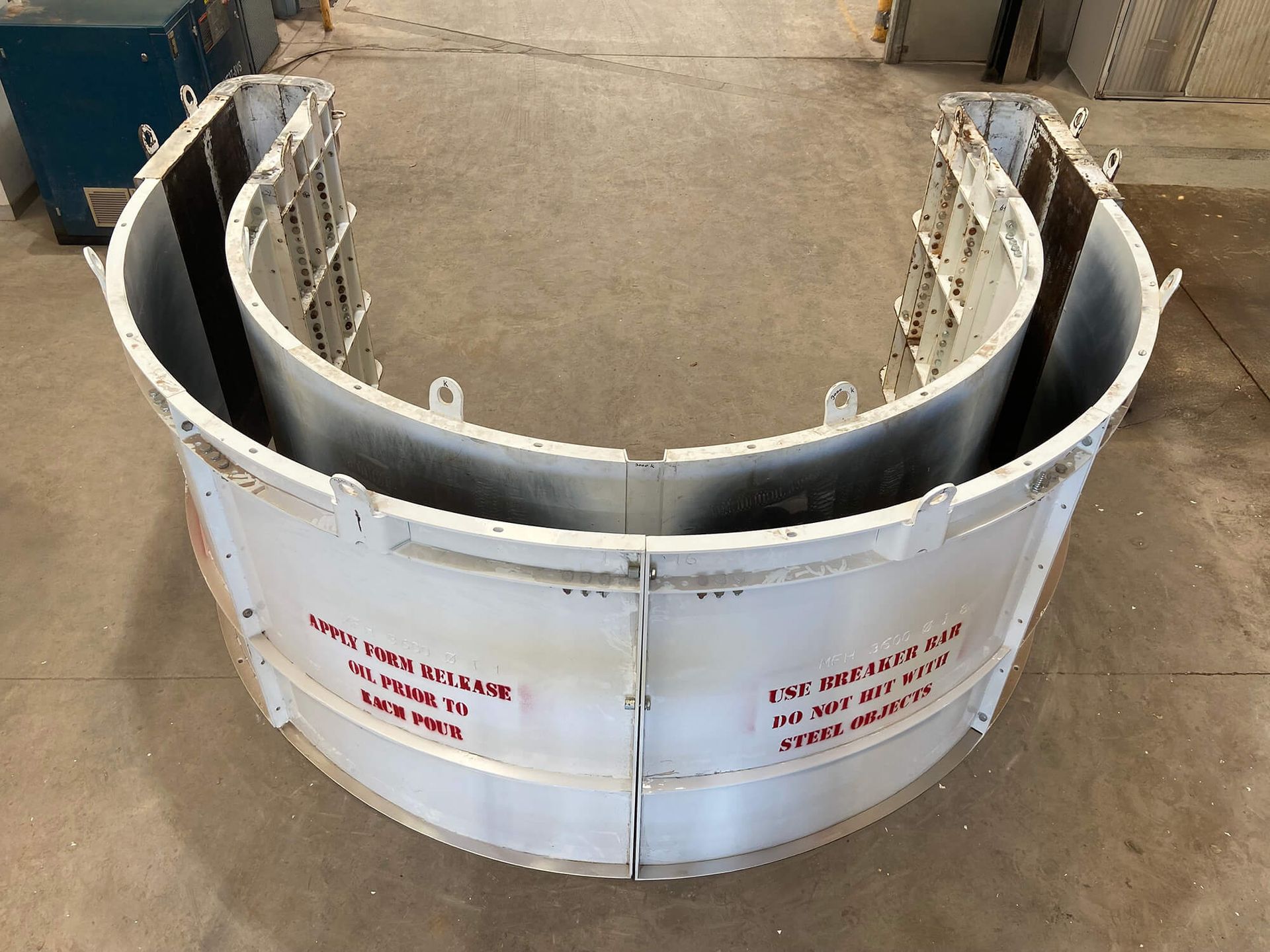
Manhole Form Hire's standard manhole forms include inner drums, outer drums, extension panels and pour boards that can be selected for different applications.
For projects requiring an elongated chamber, extension panels can be used with compatible forms to create rectangular or oval configurations and accommodate multiple pipes positioned side by side.
This flexibility can be especially valuable for contractors managing several projects with different design requirements.
2. Managing variable depths and non-standard designs
Manhole depth is another important consideration when selecting a construction method.
Sewer and stormwater infrastructure often requires structures at varying depths to suit underground services, pipe gradients and finished surface levels.
With in-situ construction, compatible formwork components can be configured to achieve the required dimensions, subject to the system's design limitations and the project's engineering specifications.
Manhole Form Hire also supplies taper back forms and risers, which provide options for projects requiring a reduced access opening and adjustable manhole height.
For non-standard dimensions, the ability to configure suitable formwork components can reduce reliance on purpose-made precast units.
The important step is to confirm the required dimensions, access opening, wall height and pipe arrangements before selecting the equipment.
3. Transport, site access and logistics
Transport and site logistics can have a substantial influence on construction planning.
Precast manholes arrive as finished concrete units. Depending on their dimensions and weight, delivery may require suitable transport access, unloading arrangements and lifting equipment.
On constrained sites, narrow access routes, limited laydown areas or restricted lifting zones can complicate the delivery and placement of large precast units.
In-situ manhole construction presents a different logistical approach. Instead of transporting the finished concrete structure, contractors arrange delivery of the formwork and place the concrete at the installation location.
This can be advantageous where transporting a large finished unit is difficult, although formwork, reinforcement, concrete delivery and lifting requirements still need to be considered.
The best option is the one that fits your site's access, handling capabilities and construction sequence.
Planning these requirements early can help reduce avoidable delays and keep equipment and materials moving efficiently.
4. Project costs: Looking beyond the initial price
When comparing precast manholes with hired manhole formwork, it's important to assess the total installed cost rather than comparing the price of individual products alone.
The overall cost of a precast installation may include:
- Purchase of the precast unit
- Transport and delivery
- Crane hire or other lifting requirements
- Excavation and preparation
- Installation labour
- Additional costs associated with non-standard units or design changes
For in-situ construction using hired manhole forms, costs may include:
- Formwork hire
- Formwork transport and return freight
- Reinforcement and concrete
- Labour for assembly, pouring and stripping
- Required lifting and access equipment
- Concrete curing time and associated program requirements
The balance will vary from project to project.
For example, a readily available precast unit may be the most economical option for a straightforward installation. Conversely, where several non-standard manholes are required, hired formwork may provide greater flexibility and help avoid the cost and lead time associated with specially manufactured units.
Hiring formwork also means contractors can access the equipment needed for a project without having to purchase and store every form size themselves.
For an accurate comparison, assess the complete cost of each method against your project drawings, quantities, labour requirements and construction schedule.
5. Construction scheduling and changes on site
Anyone working in civil construction knows that site conditions and project schedules can change.
Excavation may reveal unexpected services, pipe locations may need to be reviewed, or construction sequencing may shift due to other trades and site constraints.
With precast manholes, changes to the specified unit can involve additional coordination with the manufacturer or supplier. The implications depend on whether the unit has already been manufactured, dispatched or delivered.
With hired manhole formwork, contractors may have more flexibility to adjust the formwork configuration before the concrete is poured, provided the revised design is approved and compatible components are available.
This is particularly relevant when a project involves multiple pipe entries or non-standard chamber dimensions.
Good planning remains essential for both methods. Confirming the formwork requirements, delivery dates and concrete placement sequence in advance helps minimise the risk of delays.
6. Concrete placement and achieving the required finish
The construction method also affects how concrete is placed and the work required on site.
Precast manholes are manufactured before delivery, meaning the concrete placement and curing processes occur off-site. Once delivered, the focus shifts to lifting, positioning, connecting and completing the installation in accordance with the approved design.
For in-situ construction, the contractor controls the concrete placement process on site. This requires suitable formwork assembly, reinforcement placement, concrete supply and a planned pouring sequence.
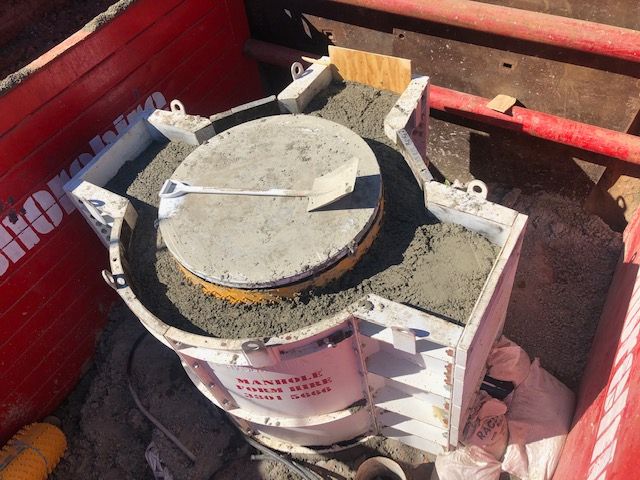
Manhole Form Hire offers pour boards to assist with controlled concrete placement into compatible forms.
Where access is restricted or concrete needs to be directed carefully into the formwork, a suitable pour board can help make the placement process more manageable.
As with any concrete structure, achieving the required finish and structural performance depends on appropriate design, materials, workmanship and compliance with the project specifications.
7. Which option is better for your project?
The decision ultimately comes down to your project requirements.
Precast manholes may be the right choice when:
- A standard unit meets the approved design.
- Suitable units are readily available.
- Site access and lifting arrangements are straightforward.
- A rapid installation is a priority and the site is ready.
- The construction program suits off-site manufacturing and delivery.
In-situ manhole formwork may be the better option when:
- Manhole dimensions vary across the project.
- Non-standard or elongated configurations are required.
- Multiple pipe entries need to be accommodated.
- Different depths or chamber dimensions must be achieved.
- Transporting large precast units presents logistical challenges.
- Reusable hired formwork suits the project's construction sequence and budget.
For contractors managing complex underground infrastructure, the ability to configure formwork around specific project requirements can be a significant advantage.
Why hire manhole forms from Manhole Form Hire?
At Manhole Form Hire, we help civil contractors access practical formwork solutions for constructing in-situ concrete manholes, inspection chambers and other underground infrastructure.
Our range of standard manhole forms includes inner drums, outer drums, extension panels and pour boards, providing flexibility for a wide range of applications.
For projects requiring different configurations, our extension panels can be combined with compatible drum systems to create elongated or non-standard structures without the need for custom fabrication.
We also offer taper back forms and risers for applications requiring alternative access configurations and height adjustments.
With an extensive hire fleet and distribution centres supporting projects across Australia, we work with contractors to help identify suitable equipment for their project specifications.
Our team can help you assess your requirements and determine which formwork components may be appropriate for the job.
Make the right choice for your next manhole project
Both precast concrete manholes and in-situ manhole formwork have a role in modern civil construction. The right choice depends on the design, site conditions, installation requirements, costs and project schedule.
Where flexibility, variable dimensions and non-standard configurations are important, hiring manhole formwork can provide a practical alternative to ordering finished precast units.
Planning your next sewer, stormwater or civil infrastructure project?
Contact Manhole Form Hire to discuss your project dimensions, drawings and formwork requirements. Our team can help you explore suitable options for constructing your next in-situ concrete manhole.
Explore our manhole form hire range or
contact our team to get started.