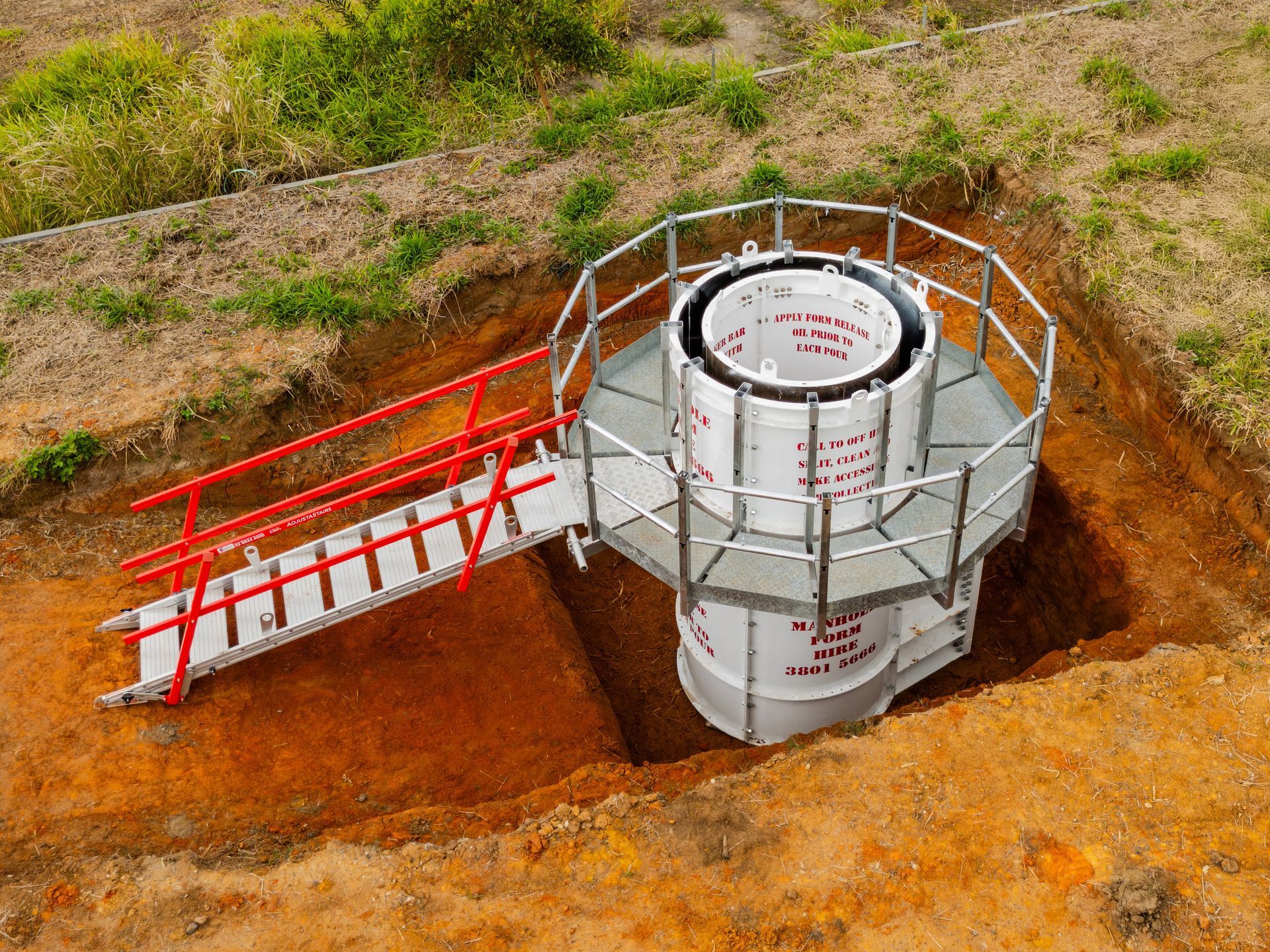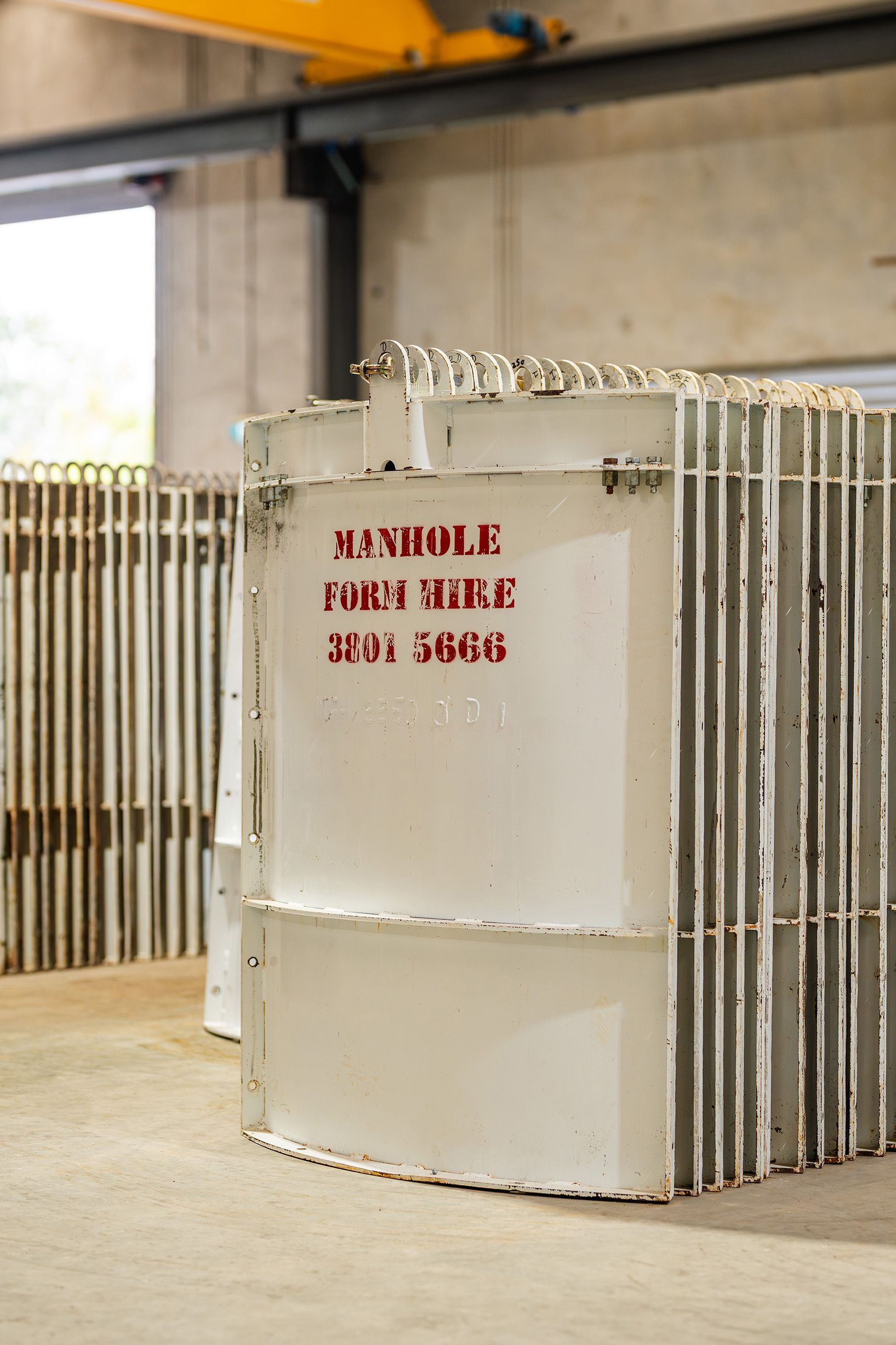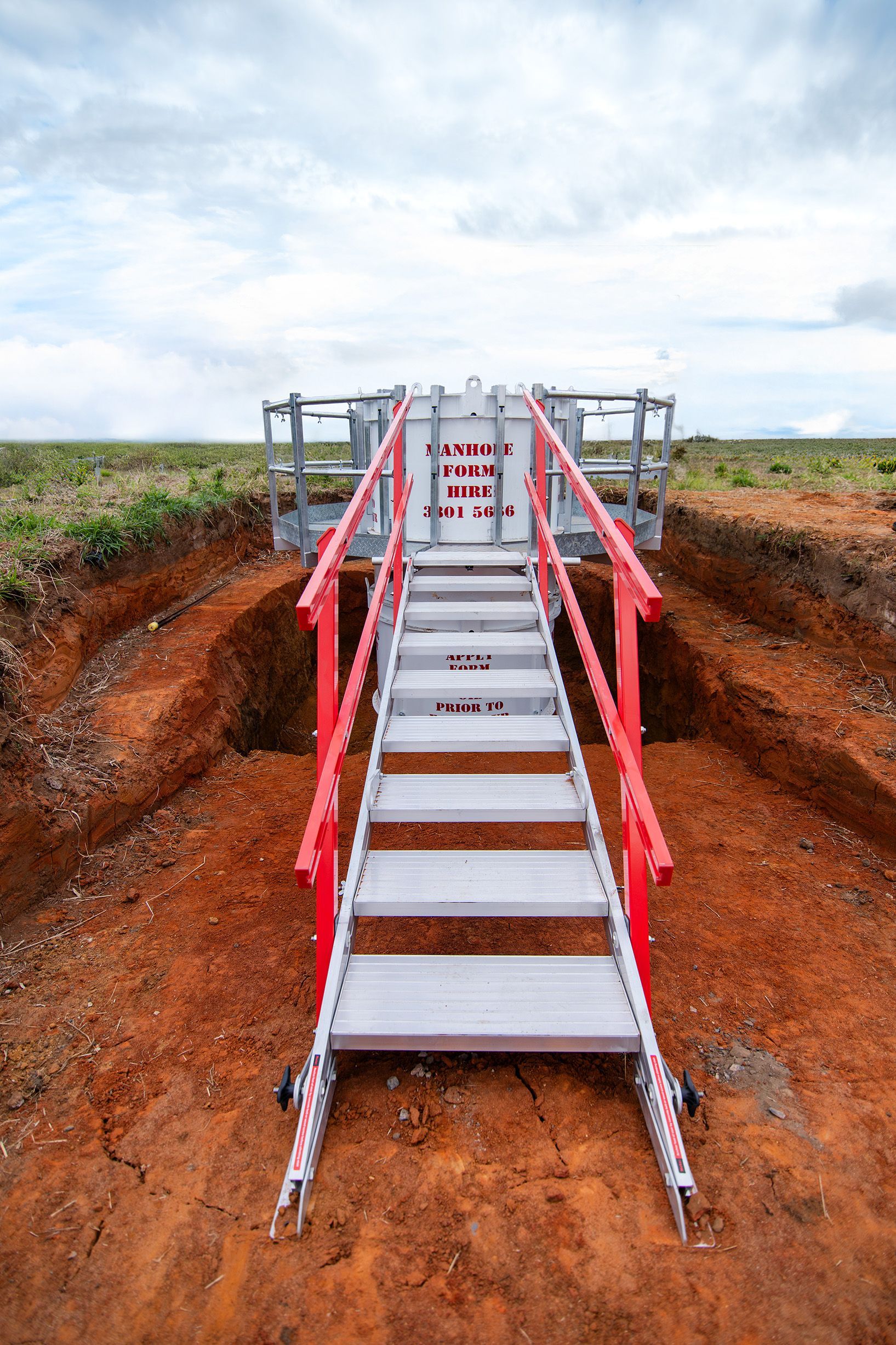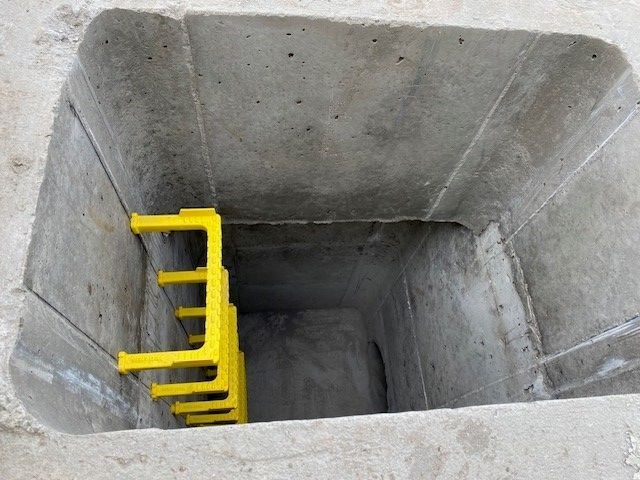
From non-standard dimensions and oversized structures to restricted site access and unexpected ground conditions, discover when constructing manholes in-situ can offer a more practical alternative to precast.
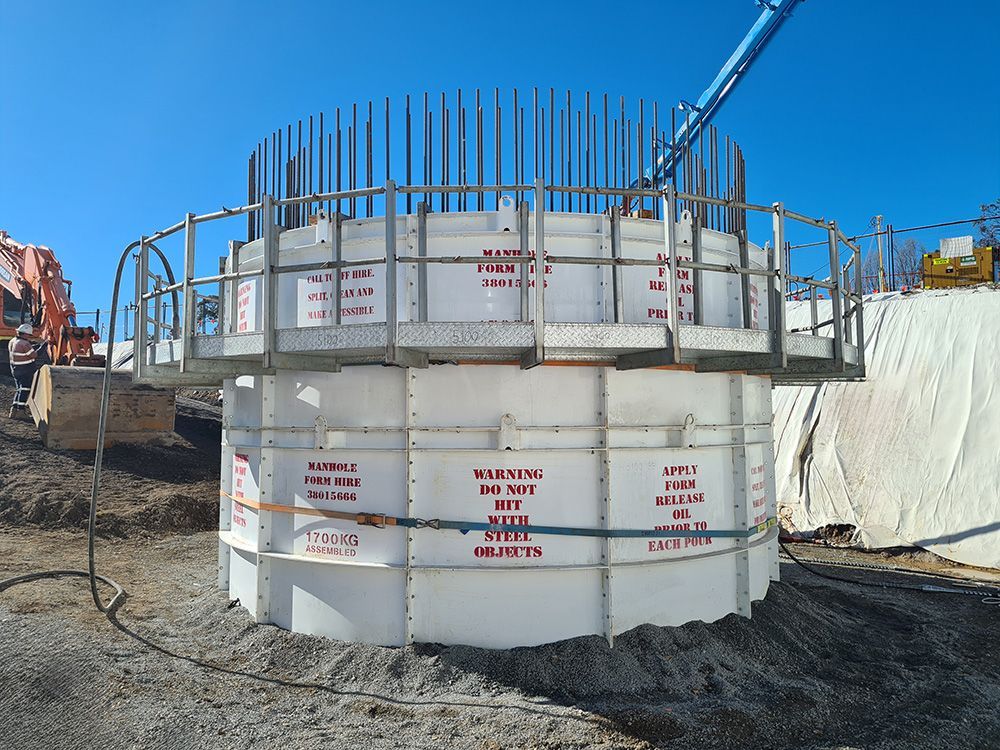
Precast concrete is a practical choice for many drainage projects, but it isn't always the best fit. When structures exceed standard dimensions, require non-standard configurations or are impractical to transport, in-situ construction can offer civil contractors a more suitable alternative. It also provides greater flexibility to accommodate project-specific requirements and unexpected site conditions.
Precast manholes are an established part of civil construction across New South Wales. Factory production and efficient installation make them a practical choice where standard sizes and configurations suit the design.
However, project requirements don't always align with standard products. Non-standard dimensions, unusual pipe arrangements, site constraints and lifting requirements can all influence which construction method is most suitable.
The decision isn't about choosing one method over the other. It's about understanding the requirements of the job and selecting the approach that best meets them.
When does in-situ construction make sense?
Design flexibility for project-specific requirements
Precast manholes are available in a range of standard sizes and configurations. Where a project falls outside these options, customised precast may be possible, but can involve additional design, manufacturing and delivery considerations.
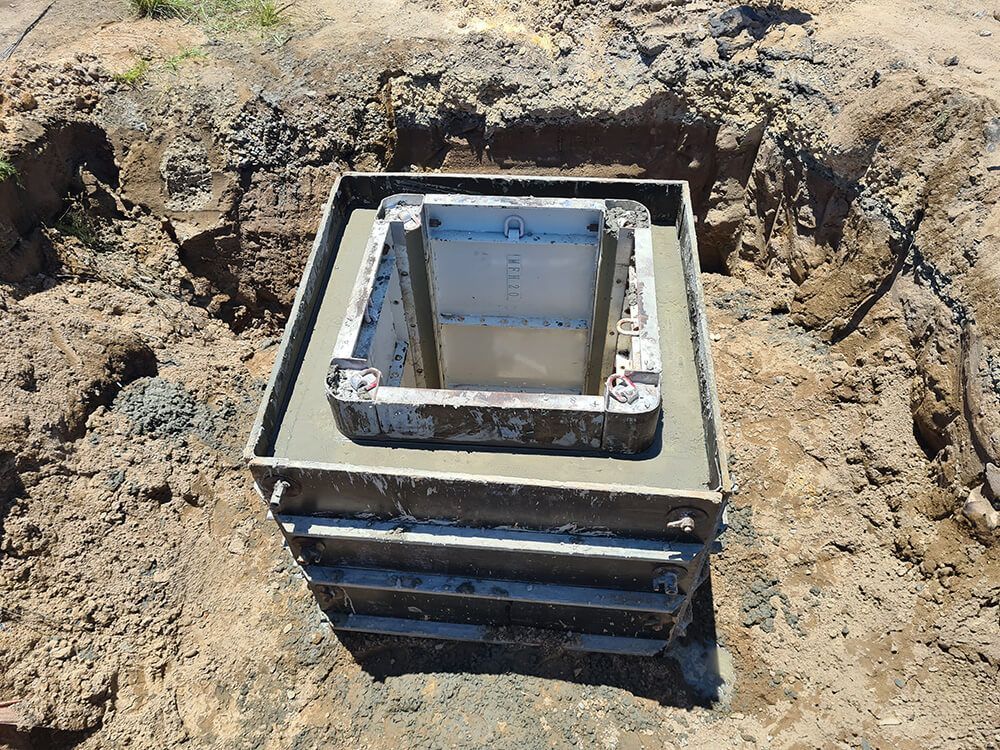
In-situ construction offers another approach. Subject to engineering design, dimensions, pipe arrangements and wall thicknesses can be tailored to project requirements, with reinforcement specified to meet the structural demands of the design.
This can be particularly useful for larger chambers, multiple or awkwardly positioned pipe entries, and structures that need to accommodate specific site or design requirements.
Structures too large or impractical to transport
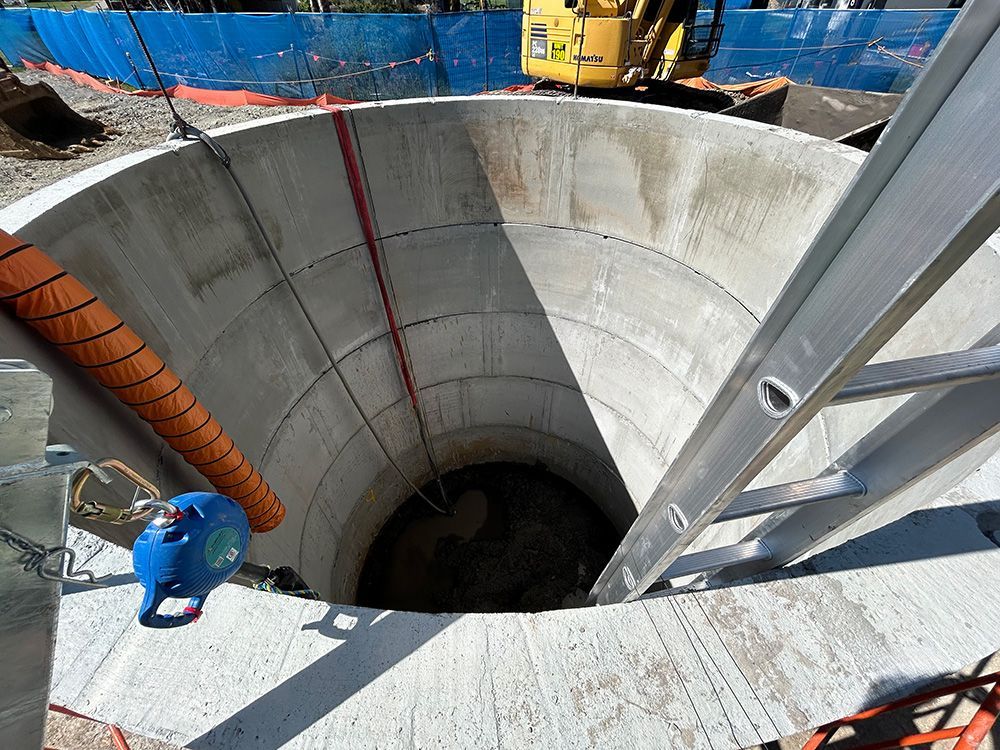
Some structures are simply too large or impractical to transport as precast units, making in-situ construction a more practical option.
Even where transport is possible, moving and positioning large precast components can present logistical challenges, particularly when specialised transport or lifting equipment is required. Constructing the structure on site can avoid some of these constraints.
Restricted site access and lifting constraints
Transporting and positioning precast components can be difficult where site access is restricted, lifting capacity is limited or delivery arrangements are complicated.
In-situ construction may reduce the need to manoeuvre large precast units into position. However, sufficient working space, access for formwork and materials, and safe construction methods must still be considered.
Existing underground services
Existing underground services can constrain the space available for a new structure, making standard precast dimensions or configurations less suitable.
In-situ construction can provide greater flexibility to accommodate the available space and required pipe connections, subject to approved engineering design and actual site conditions.
Responding to unexpected site conditions
Excavation doesn't always reveal the conditions anticipated during planning. Existing services may be found in unexpected locations, ground conditions may differ from expectations, or changes to pipe alignment and connections may become necessary.
In-situ construction can offer greater scope to accommodate these challenges where the design and site conditions allow. Unlike a manufactured unit with predetermined dimensions and connections, a structure formed on site can be adapted to suit approved project requirements.
Any changes affecting structural design, reinforcement, wall thickness or pipe connections must be reviewed and approved by the relevant designer or engineer.
Where a project needs some flexibility to respond to the unexpected, in-situ construction is worth considering.
Consider the total installed cost
Comparing the purchase price of a precast unit with the hire cost of formwork alone doesn't tell the whole story.
A meaningful comparison should consider transport, lifting, labour, materials, equipment, installation, construction sequencing and potential project risks.
Precast may be an economical option for a standard structure with straightforward site access. For larger or non-standard structures, the costs and logistics associated with transporting and installing precast components may change the equation. Delivery delays can also affect project schedules, potentially adding costs through disrupted work sequences and crew availability.
In-situ construction involves its own project costs, including concrete, reinforcement, formwork hire and labour. However, where a structure has non-standard dimensions, presents transport or lifting challenges, or requires greater flexibility on site, in-situ construction can be a cost-effective option.
The more useful comparison is the total installed cost and programme implications for the specific project.
Greater control over project timing
Precast structures generally need to be ordered in advance, with manufacturing lead times and transport arrangements influencing when they can be installed. Delays in either can affect the construction programme.
Hiring specialist formwork provides the option to coordinate equipment delivery with the planned work sequence. Next-day delivery may be available, subject to stock and scheduling.
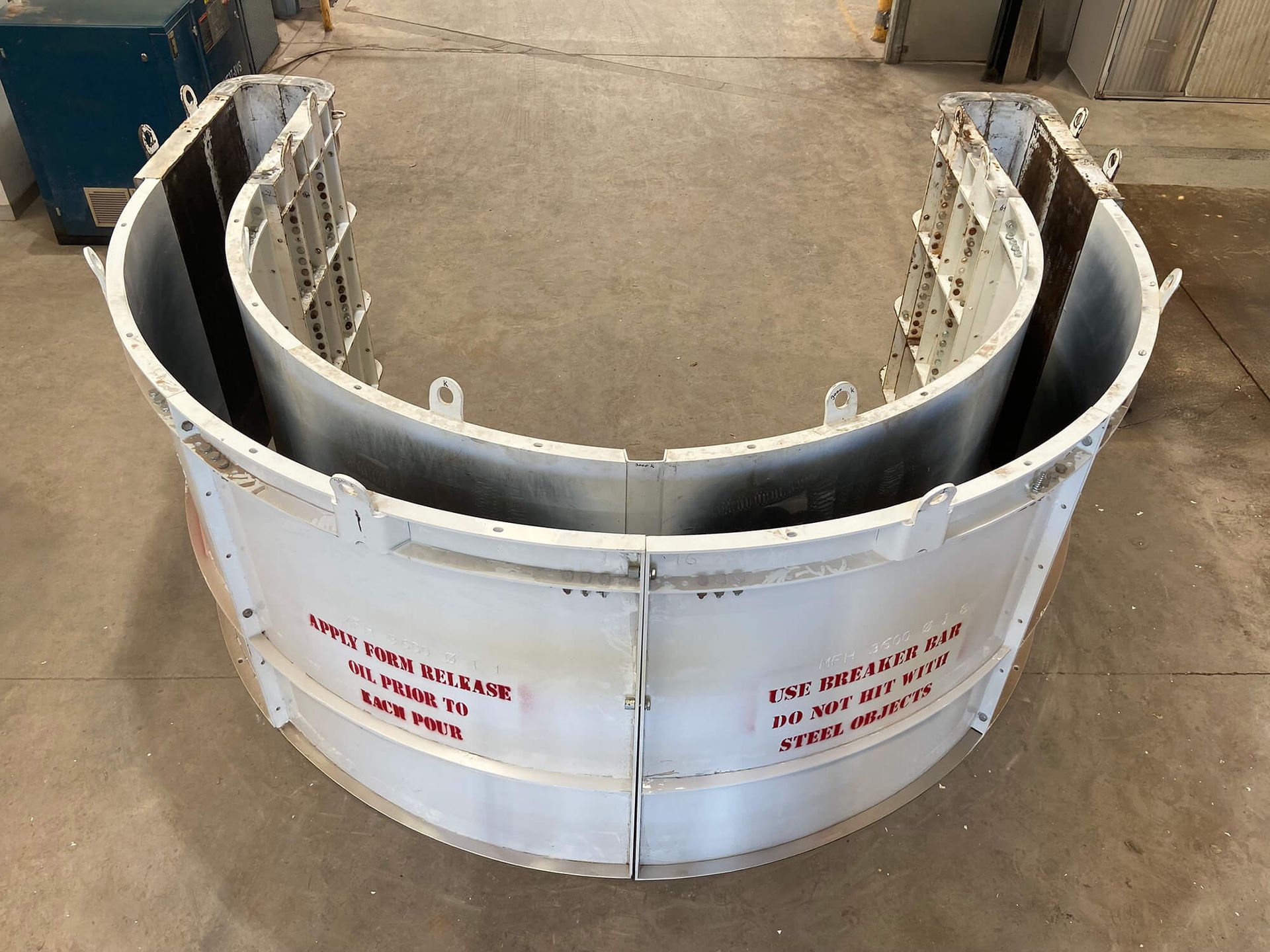
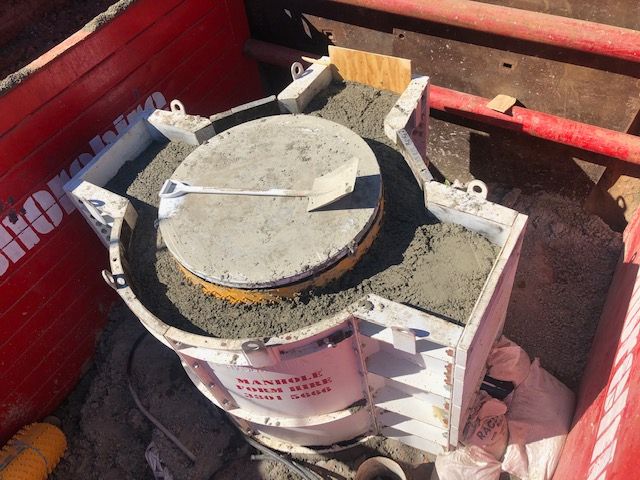
For a straightforward single-drum inner and outer formwork setup, assembly can take approximately one hour, allowing crews to prepare for the pour without the logistics involved in transporting a large precast unit.
Where programme flexibility matters, this can make a practical difference.
Formwork, crew capability and practical support
For contractors more familiar with precast installation, using in-situ construction may raise questions about formwork selection, crew capability and the time required on site.
These are legitimate considerations. Successful in-situ construction requires suitable formwork, competent personnel and an understanding of the relevant engineering and construction requirements.
Engaging a specialist formwork supplier early can help clarify equipment requirements, dimensions, configuration and delivery timing. Practical assembly guidance can also be provided, with an on-site demonstration arranged where crews would appreciate seeing the system set up before the pour.
The formwork is designed to be straightforward to assemble, and step-by-step assembly instructions are available on the Manhole Form Hire website.
Experience from Queensland
In-situ manhole construction is well established in Queensland, where contractors have experience using the method across a range of drainage and infrastructure projects.
New South Wales has its own established construction practices and supply chains, and methods familiar in one market may be less common in another.
Queensland's experience demonstrates that in-situ construction is a proven option worth considering when project requirements call for an alternative to standard precast. The opportunity for NSW contractors isn't to replace precast, but to broaden the options available when planning a project.
Plan the method early
The earlier construction options are assessed, the easier it is to compare costs, coordinate equipment and resolve design or site constraints before procurement and programme decisions are locked in.
Contractors can start by considering whether standard precast dimensions will meet the design, whether transport and lifting present challenges, and how the total installed costs compare. If in-situ construction is being considered, early discussions with the project designer and a specialist formwork supplier can help establish its suitability and requirements.
Precast and in-situ construction both have an important place in civil infrastructure. Assessing the options against the specific requirements of each project allows contractors to make informed decisions and choose the method that best fits the job.
About Manhole Form Hire
Manhole Form Hire supplies specialist steel formwork and associated access equipment to civil contractors, backed by more than 30 years of industry experience. The team can assist with formwork selection, project-specific equipment requirements and practical assembly guidance.